

Holiday Hosting Safety Playbook
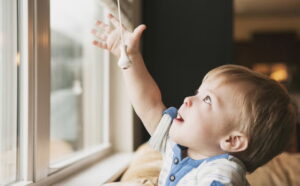
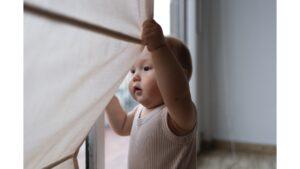
Five minutes before guests arrived last December, a friend texted our group chat: “Tree looks amazing. Also, just caught my nephew tugging a looped bead chain by the window. Zero noise. Full body chill.”
It used to be common advice to wrap cords around wall-mounted cleats. CPSC no longer recommends cord cleats for two key reasons grounded in incident data and analysis.
A friend did her own “two‑minute drill” at bedtime—set a 10‑minute timer to tidy the living room. In minute three, she spotted it: a looped bead chain hanging beside the shades, right at toddler height.
Not every parent who experiences tragedy is able to take on the role of advocate, but those who do are true heroes. They have taken their pain and turned it into a force for good, dedicating their time and energy to preventing future injuries and deaths.
“I live in a second-floor rental with child locks on the windows,” she explained. “I thought we were safe, but one day, I decided to open the upstairs windows while my son was playing in his room. I didn’t realize he could unlock them.”
Suddenly, she heard a thump followed by a cry that didn’t sound right.
Safety certifications aren’t just optional stickers—they’re your reassurance that a product has been tested and meets specific safety, environmental, or health standards. While some labels can lean more toward marketing, others are rooted in rigorous testing and independent evaluation. Knowing the difference is key to making smart, informed decisions.